
 #usnews
Possible U.S.-Iran Deal Emerges as Lebanon Truce Holds, Hormuz Stays Strained and Markets Keep Swinging
The newest development in the U.S.-Israel war against Iran is the return of a diplomatic opening, with several outlets reporting Friday that Washington and Tehran may resume talks as soon as this weekend, with both sides now aiming for a temporary arrangement to prevent the war from flaring again rather than a full peace settlement.
That shift helped pull Brent back below $100 after weeks of violent swings, but it did not erase the deeper strain running through shipping, aviation fuel and global energy markets.
That tentative opening is being helped by a separate pause on another front: a 10-day ceasefire between Israel and Lebanon which took effect Thursday evening, and may be extended by mutual agreement. Under the arrangement released by the U.S. State Department, Lebanon’s government is to act against Hezbollah and other non-state armed groups, while Israel is to refrain from offensive operations during the ceasefire period even as it retains a claim of self-defense against imminent threats. The truce matters because the Lebanon front had become one of the main ways the wider war was spilling outward and aggravating the oil shock.
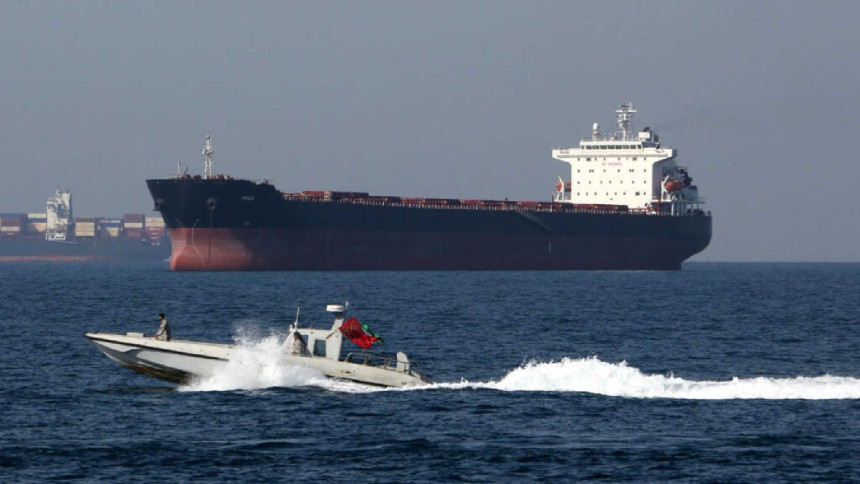
The diplomatic track remains fragile because the biggest sticking points are still unresolved. The U.S. and Iran have narrowed their goals to an interim memorandum, but that sharp differences remain over enriched uranium, the length of any halt to enrichment activities, and the conditions for safer passage through the Strait of Hormuz.


