
 #caribbeannews
Haiti reports new cholera cases nearly 15 years after deadly outbreak
Nearly 15 years after a devastating cholera outbreak infected over 820,000 people and claimed 10,000 lives, Haiti is once again grappling with new cases of the waterborne disease.
The United Nations Office for the Coordination of Humanitarian Affairs (OCHA) has expressed concern over the resurgence, citing an increasing number of suspected cases being reported daily. Since the beginning of the year, over 900 suspected cases and four confirmed cases have been recorded nationwide, according to Farhan Haq, deputy spokesman for UN Secretary-General Antonio Guterres.
In Cité Soleil, a densely populated and impoverished commune in Port-au-Prince, more than 100 suspected cases have been reported in the past three weeks. Haq warned that worsening security conditions in the area are obstructing surveillance teams and response efforts, raising fears of undetected community transmission.
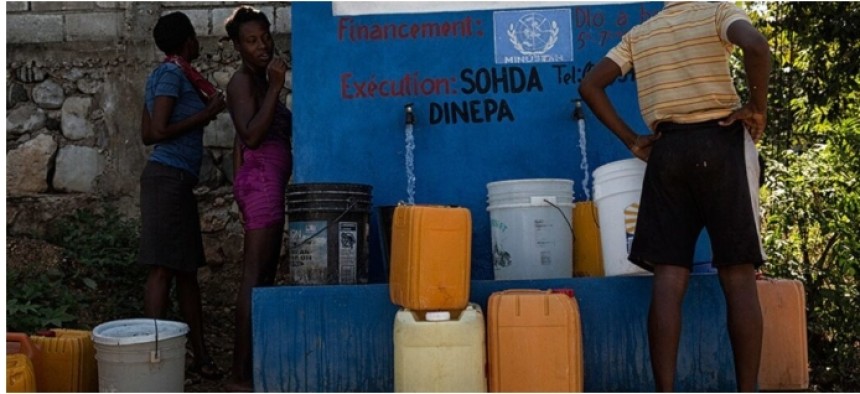
The Haitian government, in collaboration with the World Health Organization (WHO), is actively responding to the outbreak by supplying medicines and medical equipment, as well as establishing rehydration and chlorination points to curb the spread.
However, OCHA has highlighted a significant shortfall in funding for humanitarian aid. “Years of underfunding mean millions of Haitians are lacking essential support,” Haq said. Funding for water, sanitation, and hygiene services is particularly inadequate, with only US$3.6 million received out of the US$87 million required.